Ten VBS Safety Tips

Vacation Bible School is a great opportunity to reach out to children and families in your community. By now, you may have explored a theme, secured the location, started recruiting and screening volunteers, and begun promoting your event. Here’s a friendly reminder to review your child safety measures.
New families will evaluate your program based on how you conduct safety processes. Strong, visible, proactive measures make a good first impression, offer peace of mind, and confirm they are leaving their children in good hands.
Here are 10 tips to improve child safety before, during, and after the event.
1. Create Safety Guidelines – Safety guidelines establish a foundation that defines how your organization intends to protect the children in its care, minimize the grey area in interacting with kids, and provide a layer of protection for staff and volunteers.
For example, here are two:
- Ensure a child is never alone with an adult and always follow the Rule of Two.
- Follow visibility guidelines. When the program is in session, the interior doors and windows should allow unobstructed views.
2. Establish Check-In & Check-Out Processes– Children’s check-in is the front door to your organization and the first point of contact for visiting families. Whether you use pen & paper or an electronic solution, the goal is to collect key information, including current guardian contact details and health & wellness information, to prevent incidents such as allergic reactions and to ensure the child is released only to those authorized to pick them up.
3. Leverage Technology– Technology should be easy to implement, increase efficiency, improve safety, and help manage daily processes. Whether using apps or radios for communication, adopting a real-time digital roster that replaces a manual clipboard, or using Express mobile check-in & out for data accessibility and attendance tracking, implementing technology can help you do more with less.
4. Review the Emergency Action Plan– The Emergency Action Plan is a written procedure detailing an organization’s emergency response. The key is identifying the emergencies most likely to occur during your event and being prepared for them. Think about potential emergencies inside and outside your facility and your response to health & wellness or behavioral situations. Every volunteer should read and understand the plan.
5. Increase Visibility of the Event Area – Use event signage, handouts, and an Emergency Instructions Flipbook to share instructions for what to do in case of a fire, an evacuation, or a weather incident. Visible maps of the location can help new visitors know where their children will be in an emergency.
6. Identify Workers– Most VBS programs will have staff and volunteers wearing different colored shirts, which is an excellent starting point. It’s also important that all workers wear IDs, so families know who’s interacting with the kids. A badge can be printed on a tag and worn on a shirt or a lanyard around the neck. Visitors, even if they are parents or relatives stopping by the program, should always check in and be identified with a visitor tag.
7. Provide Appropriate Classroom Ratios– Studies show that smaller class sizes and reduced student-to-teacher ratios are strong indicators of success and engagement. Appropriate ratios can help reduce behavior problems and teacher stress and provide the kids with a better experience.
8. Ensure First Aid Kits Stocked– Emergency preparedness doesn’t just encompass large amounts of supplies. Most organizations will likely experience smaller-scale incidents in the day-to-day. Depending on how quickly you go through first-aid supplies, keeping a written inventory and restocking each day can be helpful.
9. Connect with Your Security Team– The security team is an untapped resource often overlooked for short-term events. They are your first line of defense and a valuable partner in incident management. Families will notice if their presence is limited or absent in the kids’ area. Connect with them early and develop a coordinated plan. Identify who will be your lead during the event. Familiarize yourself with communication protocols and ensure you have the correct equipment, such as radios or other devices.
10. Have a Follow-Up Plan – In case of an emergency, make sure to have a process for reporting and following up with those involved. Keep accurate records and incident photos in a secure location. If authorities are involved, provide full cooperation.
If your organization is looking for support with VBS and the increase in visiting families, KidCheck can help!
Temporary License Upgrade
You can make temporary account changes to support your varying needs. There are no hidden fees. You pay only for what you are using for as long as you need. Contact the KidCheck team for more details on adding a temporary license.
Helps eliminate a labor-intensive sign-up process so you can focus on the event. You can utilize Event Registration to pre-assign children to specific locations and age groups. Also, this feature provides custom fields to gather important event information – such as a child’s shirt size or relevant medical information
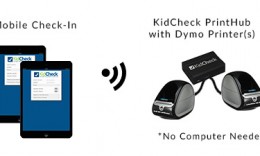
Make check-in fast and easy. No need to use a check-in station, stand in line, or scan a code. Parents check kids in using their own mobile device. They can start check-in on their mobile device from home, the car, the parking lot – wherever there’s an internet or cellular data connection.
Easily take care of administrative tasks such as managing room capacity, checking security codes, sending emergency texts to parents, viewing authorized and unauthorized guardians, checking kids out, accessing real-time attendance data in case of emergency, and more.
Great for scheduling and tracking volunteers for VBS. Save time and be more organized compared to manual spreadsheets. Know exactly who has agreed to volunteer and in which roles and times, plus have an at-a-glance view of open spots that still need to be filled. Intuitive and easy for you and volunteers.
Perfect for VBS programs specific to older kids. YouthCheck is check-in that’s designed to meet the specific needs for youth. Teens and young adults are often dropped off or attend on their own and check themselves in, rather than by a guardian. They prefer to use technology, expect things to be fast and easy, and crave a sense of independence. YouthCheck meets those needs and keeps youth leaders in control of knowing who is checked-in, when, and where. It’s engaging, age-appropriate, and also creates accountability and connection.
Join us for a demo to learn more about the benefits of secure children’s and youth check-in, mobile Express Check-In, and our live support, available six days a week, including Sunday morning.
For more safety tips, training information, and how to develop an emergency response plan, subscribe to the KidCheck blog or connect with us on X, Facebook, Pinterest, Instagram, and YouTube.
Photo by Ruslan Zaplatin 🖤 on Unsplash