Offsite Events Safety Checklist
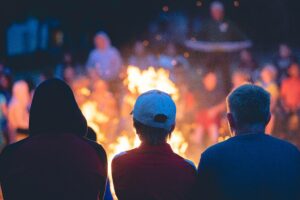
Field trips, day camps, and overnights can be tricky because they take kids and youth out of the familiar, controlled setting of the children’s area or your campus and into a potentially unfamiliar offsite location. This makes safety planning essential.
Use this ten-point checklist as a starting point.
1. Planning & Approvals
- Get leadership or board approval for the event.
- Confirm your insurance coverage for off-site and overnight activities.
- Create a simple event plan: purpose, location, schedule, leaders, and emergency
- Conduct a site visit or research the venue in advance and ask about its safety policies.
2. Selecting Leaders and Support Staff
- Use only approved, comprehensively screened, fully trained volunteers and staff.
- Apply the two-adult rule for supervision, including during travel times.
- Determine supervision ratios by age group. Use your current ratios as a base.
- Balance female and male leaders where appropriate.
- Brief every leader on safety guidelines and policies, itinerary, and their role.
3. Parent Communication and Permission
- Send an information packet and include dates, location, schedule, cost, leader names, and contact numbers.
- Require signed permission slips and liability forms for every child participating. Then upload the documents into the family’s KidCheck account.
- Collect medical information, allergies, medications, and insurance details.
- Ask and document dietary restrictions, special needs, and any other details leaders should know.
- Hold a parent meeting or send a Q&A for overnight or multi-day trips.
4. Transportation Safety
- Verify the driver’s licenses, driving records, and insurance for everyone transporting children.
- Have a minimum of two non-related adults and two children in every vehicle.
- Ensure everyone has a seat belt, vehicles are not overloaded, and drivers get breaks if needed.
- Take attendance at every departure and arrival.
- Plan for breakdowns, weather, and delays.
5. Onsite Supervision
- Use the buddy system and conduct frequent head counts.
- Set clear boundaries for free time and off-limits areas.
- Assign staff certified in first aid and CPR for high-risk activities.
- Prevent or closely supervise participants’ contact with adults who are not fully screened or approved.
- Make sure volunteers and staff follow the photo and social media policies during the event.
6. Overnight Safety Guidelines
- Arrange sleeping assignments by age and gender, with leaders housed nearby but not in the same space as minors.
- Establish restroom and shower guidelines that protect privacy and promote safety.
- Set lights-out, curfew, and after-hours check-in procedures.
- Never allow a leader to be alone with a child in a bedroom, vehicle, or other private space.
- Institute parameters for phone use and nighttime communication.
7. Behavior Expectations and Boundaries
- Provide volunteers, staff, and participants with a simple code of conduct that covers bullying, hazing, and pranks.
- Give kids a clear way to speak up and raise concerns, including a trusted leader they can go to.
- Establish guidelines for appropriate touch, private communication, and gift-giving.
8. Emergency Preparedness
- Bring fully stocked first aid kits and have at least one leader trained in first aid and CPR.
- Establish medication storage and administration procedures.
- Write an off-site emergency plan covering injuries, severe weather, missing participants, and evacuation.
- Know the nearest medical facility and keep contact information easily accessible.
- Decide who communicates with parents in a serious incident.
9. Incident Response
- Remind volunteers and staff that mandatory reporter obligations continue during offsite events.
- Keep incident reporting forms on hand and document with pictures anything unusual or needing medical attention.
- Communicate the process for reporting a concern to leadership and, if required, to local authorities.
- Notify parents promptly about any significant incidents.
10. Debrief and Follow Up
- Hold a debrief after the event with leaders and discuss what worked, what didn’t, and any concerns.
- Follow up with families and participants for feedback.
- Capture and update policies and checklist based on lessons learned.
- Store documents according to your records policy.
If you are considering holding off-site events, join us for a demo to learn how we can help you transform your event experience with volunteer scheduling, secure children’s and youth check-in, event registration, and live support available six days a week, including Sunday morning.
For more safety tips, training information, and how to develop a Child Protection Policy, subscribe to the KidCheck blog or connect with us on X, Facebook, Pinterest, Instagram, and YouTube.